Arriving in Belize City
As the former capital of the country, Belize City is the largest city in this small nation, with a population of only about 70,000. However, Belize itself is a sparsely populated country, comparable in scale to a Caribbean island. The actual capital of Belize is Belmopan, located deep in the rainforest, but it is a very small settlement with only about 10,000 people. Unless traveling by land to Guatemala, few tourists visit it specifically.
Most of the historical sites in Belize City were left by British colonizers. The predecessor of Belize was “British Honduras,” which only became an independent nation in 1981. British Honduras was almost insignificant in the vast colonial map of the British Empire, but it was Britain’s only colony in Central America. Rather than being established for trade purposes, British Honduras existed more as a check against Spanish colonies. Due to its location on the Caribbean coast in the tropical lowlands, British Honduras had a very small population when it was founded. To develop the region, the British brought in a large number of Black people from other Caribbean islands for plantations. These people mixed with the locals to become the majority population of Belize today.
Soon, the small plane landed at Belize City Municipal Airport. This small airport is right on the shore of Belize City and can only handle small aircraft, while Belize’s large international airport is located inland about a dozen kilometers outside the city, set within the tropical rainforest. After getting off the plane, I quickly retrieved my luggage. The baggage claim area was somewhat simple, but sufficient for an airport of this scale.
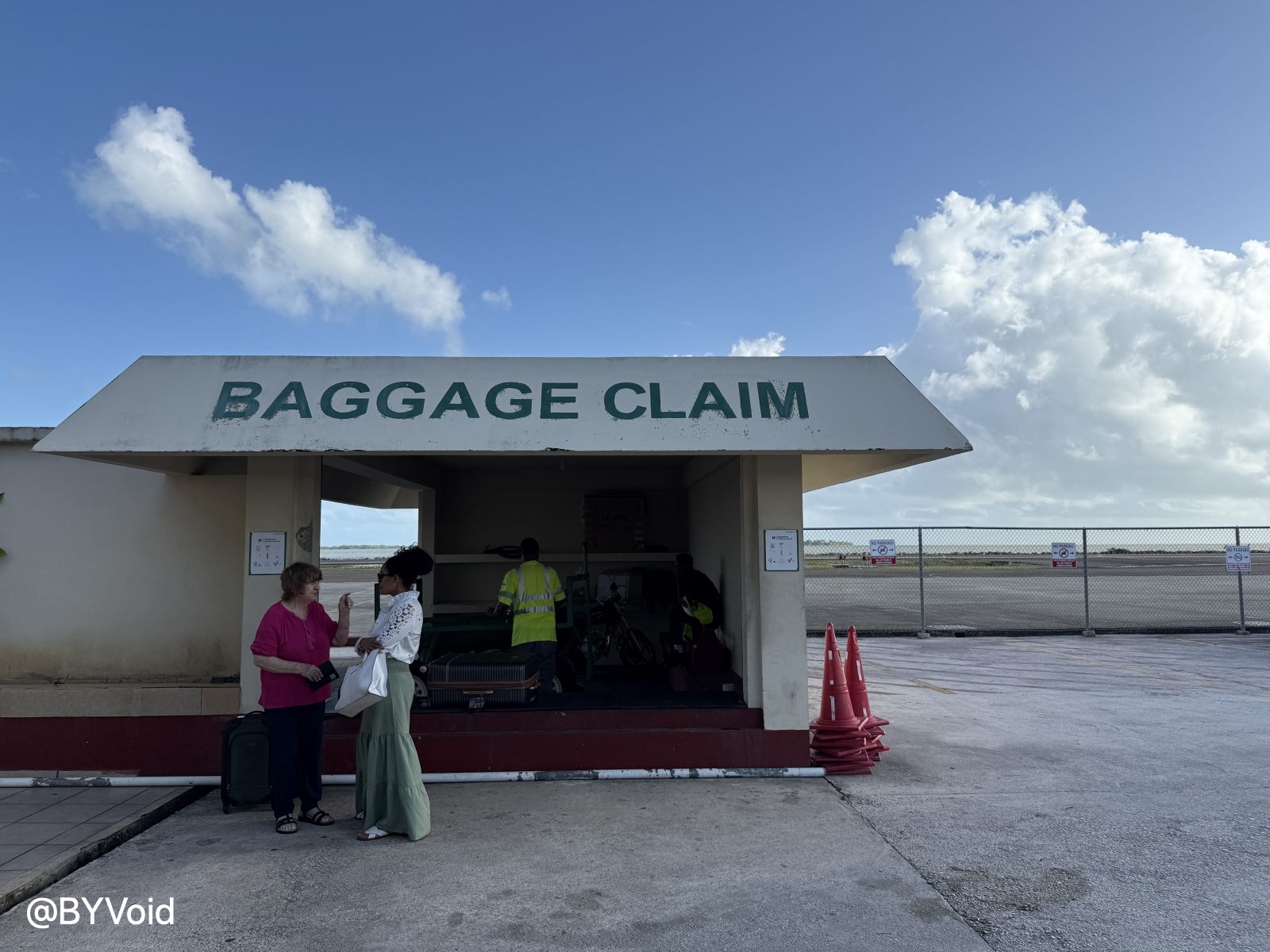
I saw several taxi drivers waiting. I went up and negotiated the price directly, a process easier than I expected. The fare was ten US dollars, with no extra fees. Perhaps because this is not a major tourist destination, there aren’t large crowds living off it, so in this kind of market environment, overcharging isn’t usually common, though prices aren’t particularly low either.
Touring Belize City
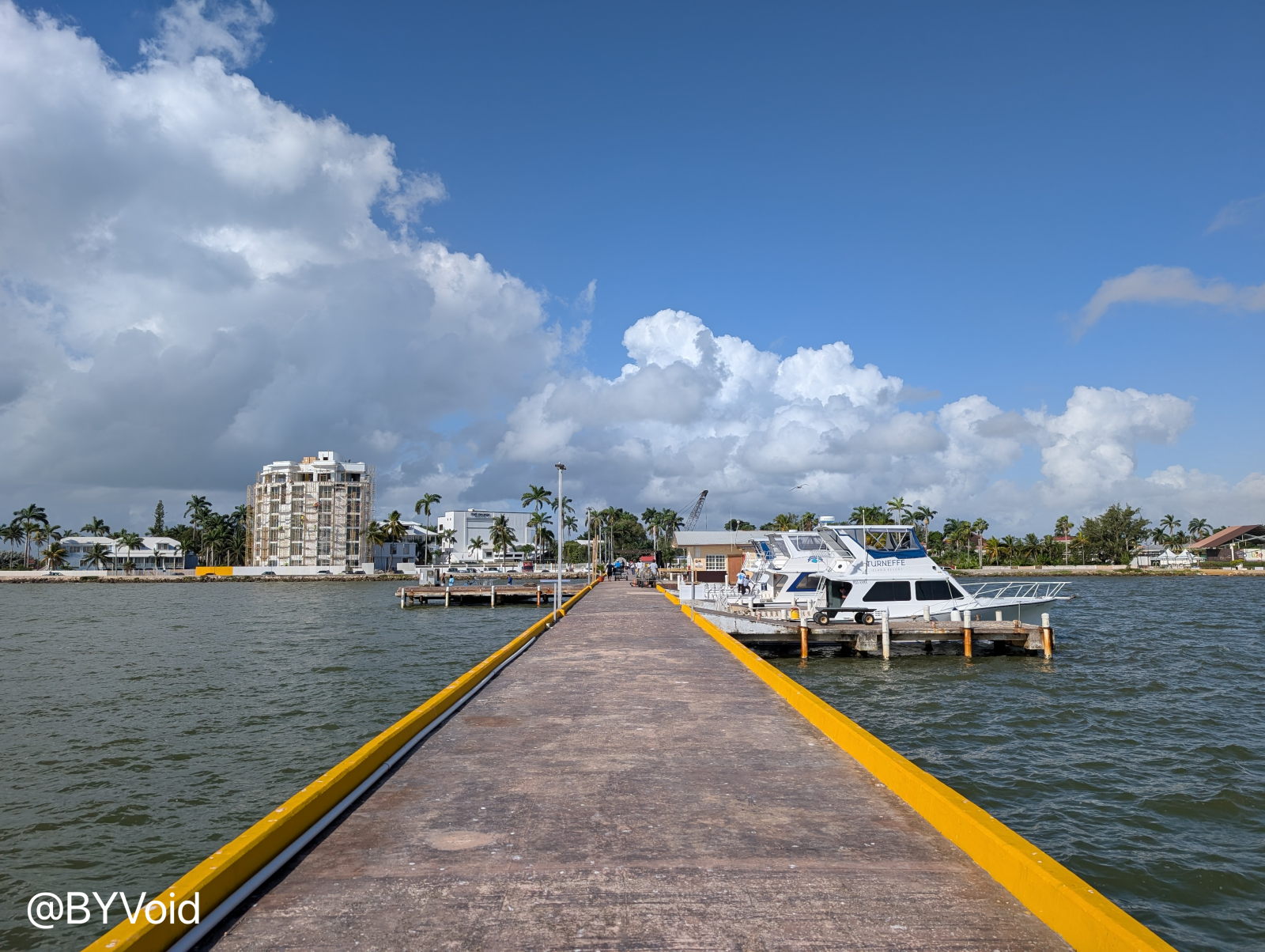
After checking in and dropping off my luggage, I first walked along the coast for a while to enjoy the coastal scenery. The view near the pier was quite nice, though the weather was scorching, and steam seemed to be rising from the seawater.
While walking along the shore, I entered a large supermarket operated by Chinese people. This supermarket was spacious with ample air conditioning, attracting many locals.
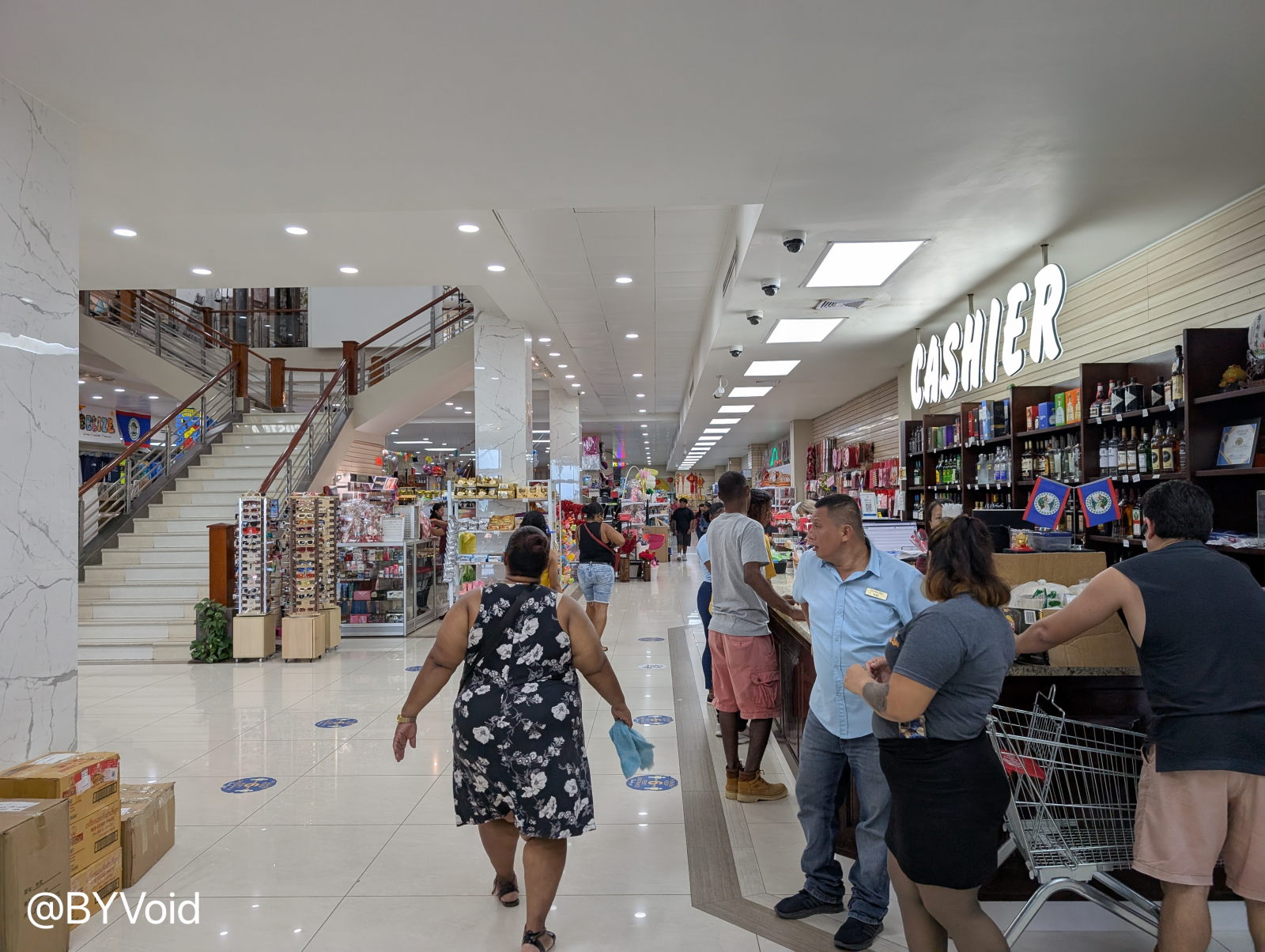
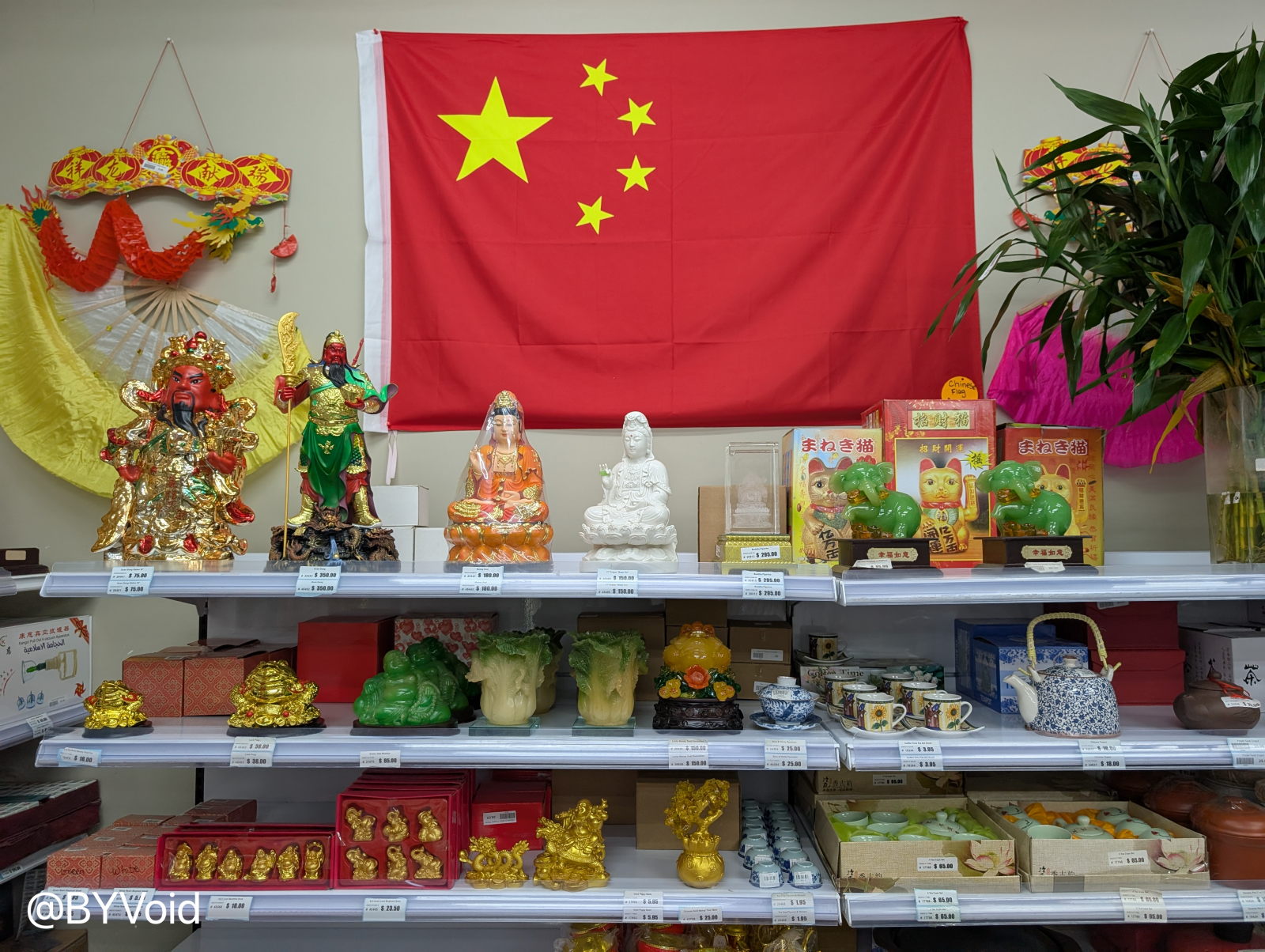
I noticed that almost all the goods were imported from China. They had everything one could need, including many items with Chinese characteristics. Overall, however, prices were not cheap, given the high transportation costs and small market.
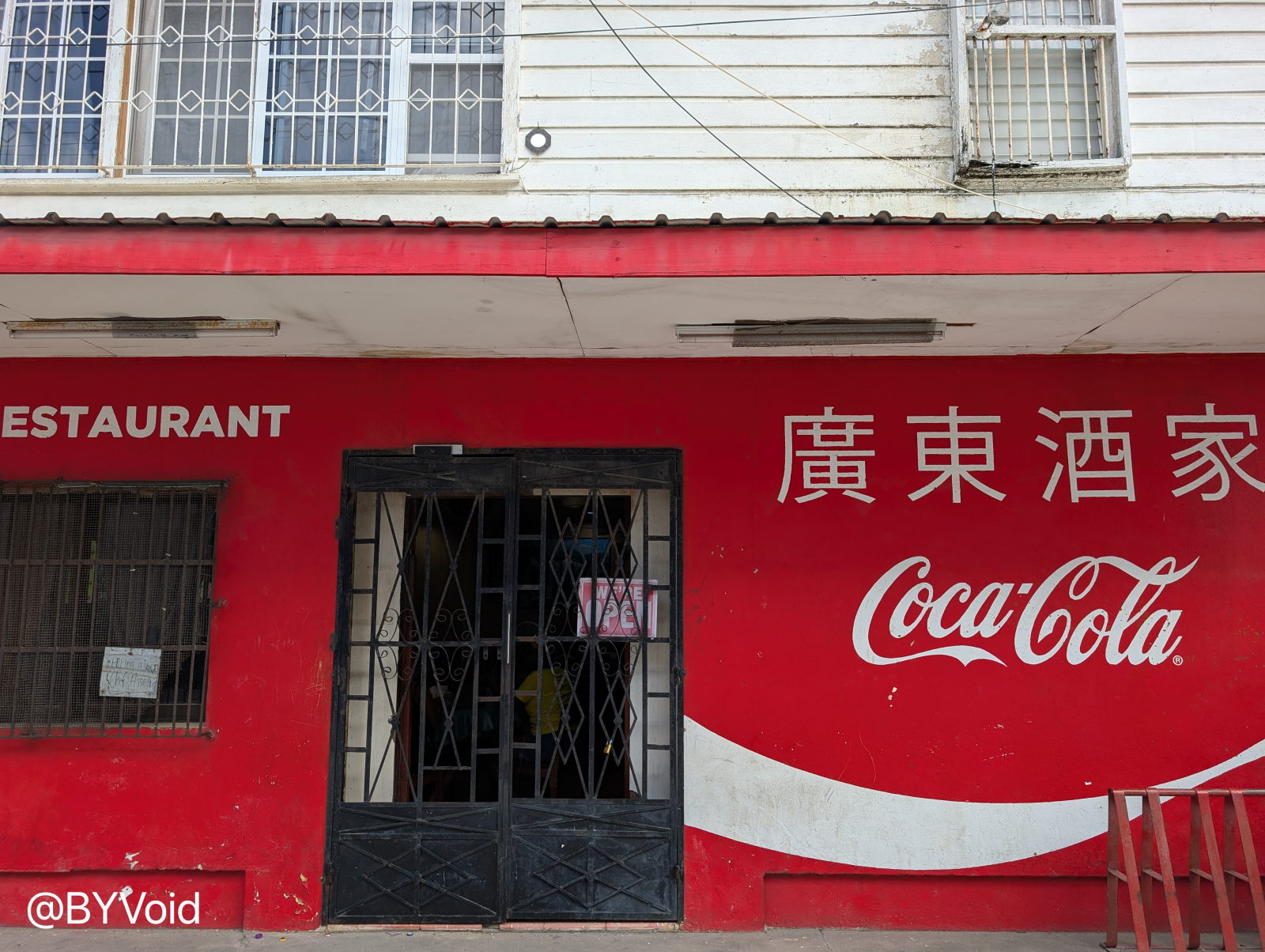
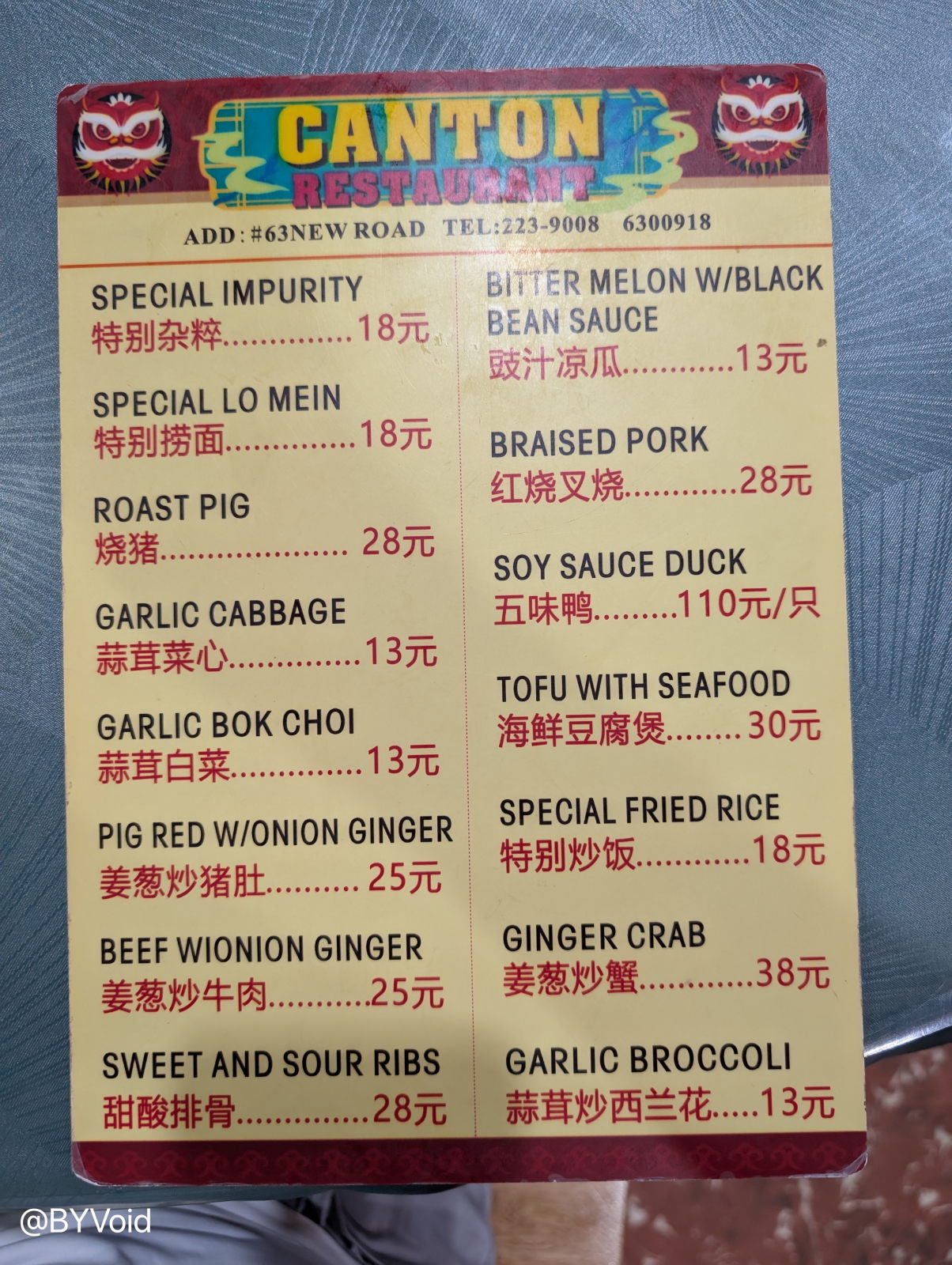
After looking around, I found a very old-fashioned Chinese restaurant in the city. The door was locked, but there was a doorbell, and a sign on the door said “Open.” After I rang the bell, the owner opened the door for me. Chatting with her, I learned she had been in Belize for over twenty years and her children were born here. Like many Chinese immigrants venturing out into the world, her plan was to work for a few more years to earn more money and then eventually return to her hometown in Guangdong. I ordered a portion of fried rice and a stir-fry; the taste was decent, and the price was 32 Belize dollars ($16 USD). This price is certainly not cheap, but it is standard for the Caribbean region.
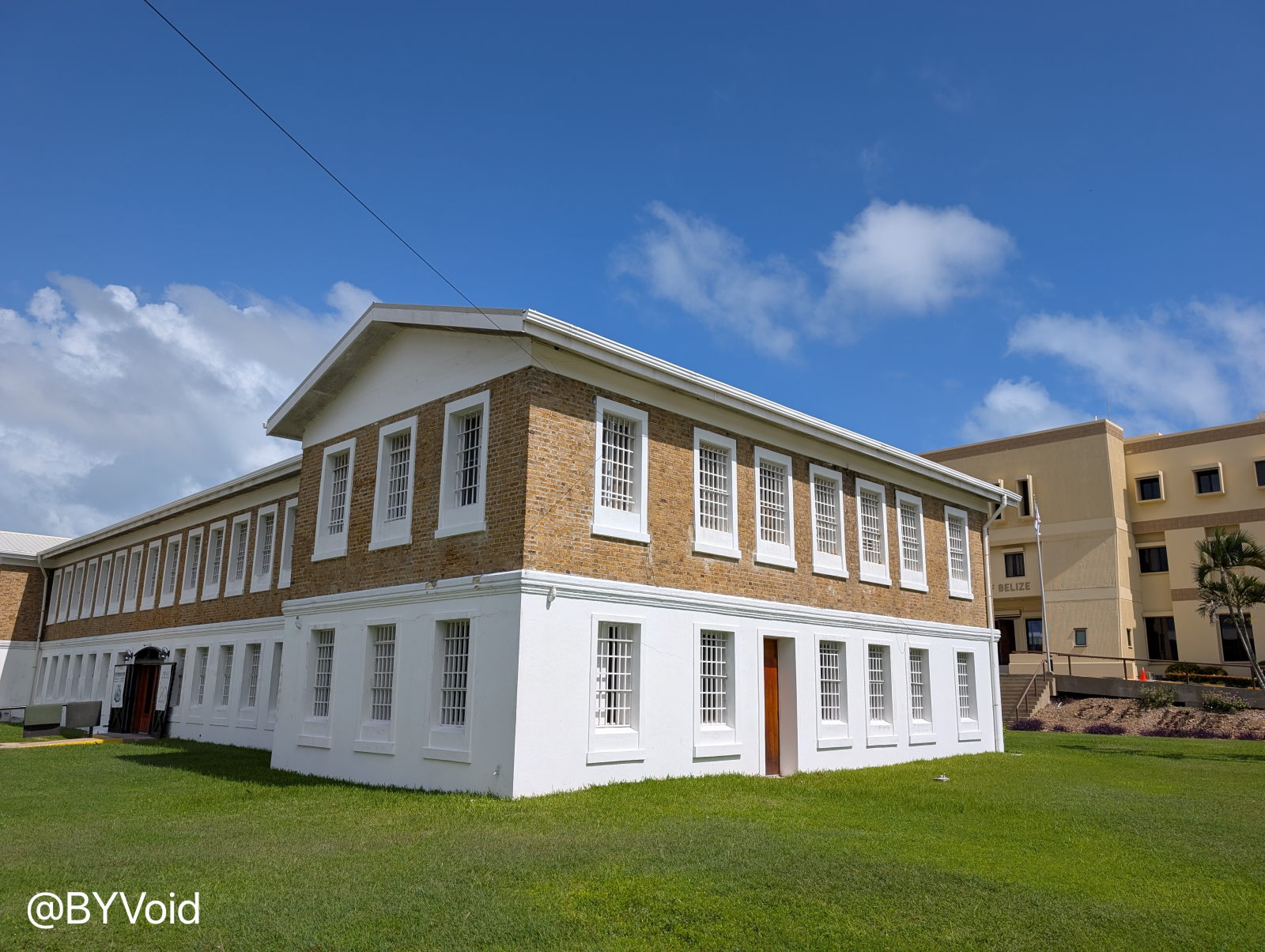
After eating, I headed to the Museum of Belize, which might be the only cultural facility in Belize City. It was noon, with a blazing sun outside and extremely high humidity, which was exhausting. Fortunately, the museum had plenty of air conditioning, like an oasis. The building itself is quite historic: this brick structure was originally the colonial prison of British Honduras, built in 1857 and used until it closed in 1993. In 2002, the prison was converted into a museum and opened to the public. Walking into the museum, one can still see the preserved cell structures and heavy iron doors. The museum has only a few rooms displaying the history of Belize, particularly a section dedicated to the history of the slave trade.
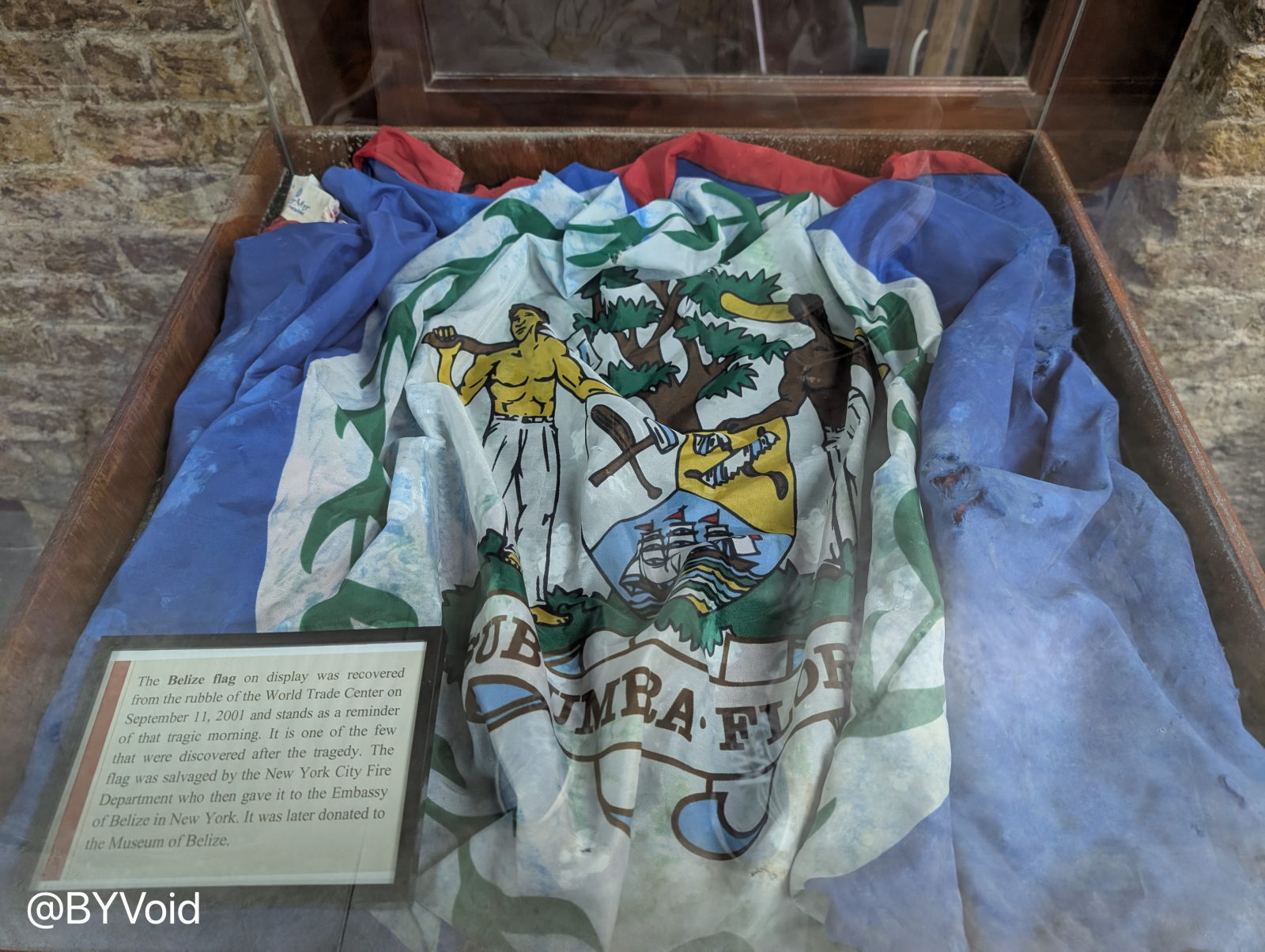
There weren’t many exhibits, but some things were quite unique, such as this Belizean flag recovered from beneath the World Trade Center in New York.
Another unmissable site near the museum is the “Embassy of the Republic of China (Taiwan) in Belize,” located at “No. 1 Taiwan Street.” Belize is one of the few countries that still maintains official diplomatic relations with Taipei. The embassy is a small house facing the sea, with the Blue Sky, White Sun flag flying. While I was stopping to look at the embassy, I happened to encounter a diplomat from Taiwan passing by. He proactively offered to take a photo for me, and we had a brief chat. He asked where I was from and mentioned that there are rarely tourists from China here. However, he also said with a smile, “We are all Chinese people, both sides of the strait are one family,” which was a bit surprising to hear.
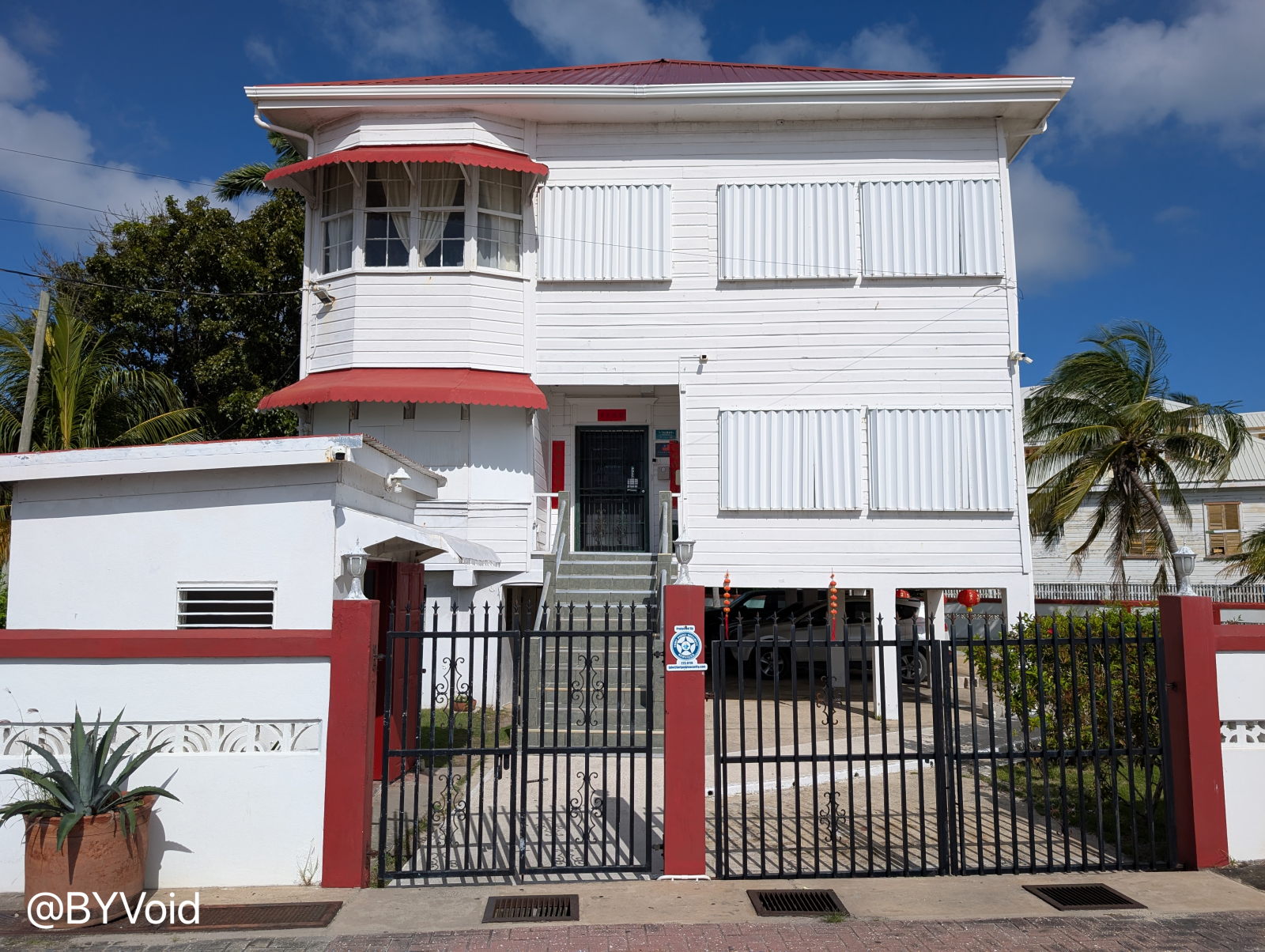
After leaving the embassy, I crossed Haulover Creek, which flows through Belize City, and arrived at the southern half of the city. Belize City is divided in two by this river: the northern half is mainly government offices and tourist facilities, while the southern half concentrates a large number of commercial facilities and local residents. Many travel guides warn of poor safety in the south, but when I visited during the day, I found it quite lively and didn’t feel any sense of danger.
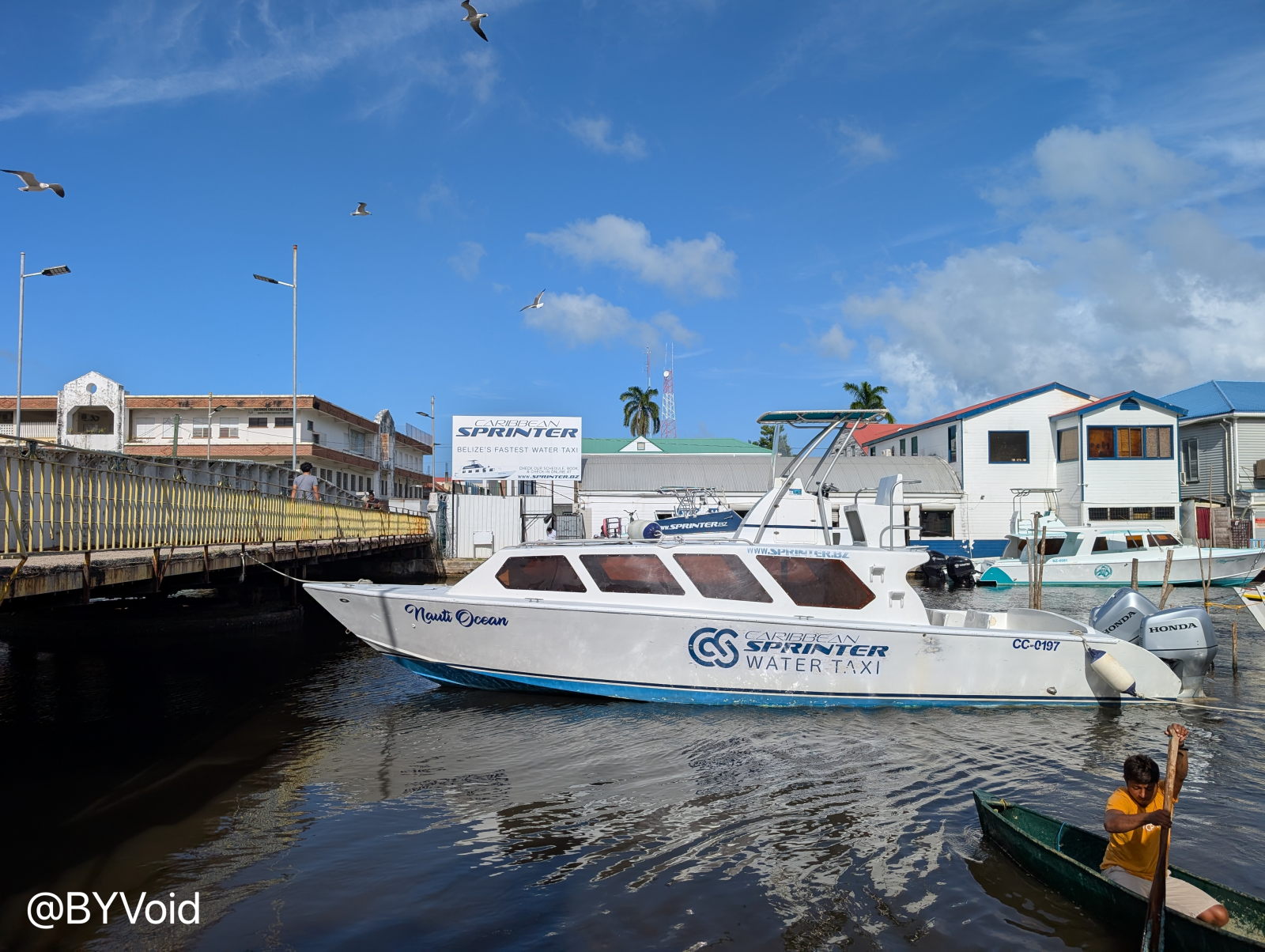
The two most important historical buildings in the southern half are an Anglican church and the Government House. I first walked to the church and found a wedding in progress, so I couldn’t enter for a closer look. The full name of this church is St. John’s Cathedral, built between 1812 and 1820; it is the oldest Anglican church in Central America. The bricks used to build the church were brought from Britain, originally as ballast for ships. The church itself is well-preserved, and the stone architecture is authentically British in style, reminding me of British churches in other tropical colonies, such as St. John’s Cathedral in Hong Kong. Interestingly, this church was once the place where the British held coronation ceremonies for four Miskito Kings of the Mosquito Coast overseas, witnessing the history of the British Empire’s expansion in the Caribbean.
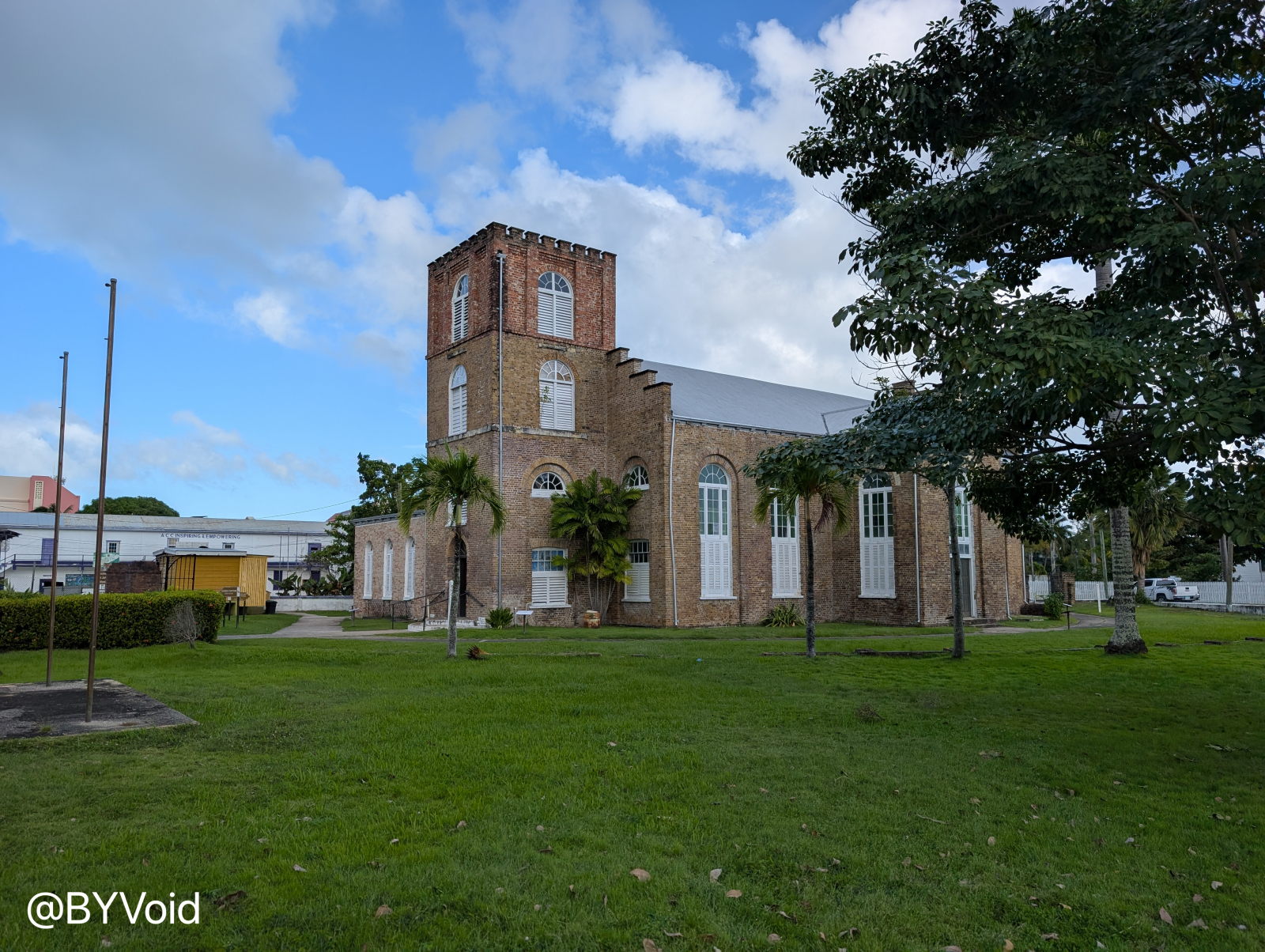
Opposite the church is the former Government House of British Honduras, which unfortunately was undergoing maintenance and was not open to tourists. Luckily, the security guard allowed me to look around the exterior freely. This Government House was built in 1814 and served as the official residence for successive British governors of British Honduras until Belize’s independence in 1981. The architecture follows a typical Caribbean colonial style, with a wooden structure raised above the ground and surrounded by wide verandas, which facilitate air circulation and provide shelter from tropical downpours and the sun. After independence, the building briefly served as the official residence of the Governor-General of Belize before being converted into a museum displaying colonial-era furniture and artifacts. There are many historical signs and exhibits around the Government House introducing its architectural features, how it adapted to the tropical climate, and a famous gentleman who contributed greatly to the development of British Honduras.
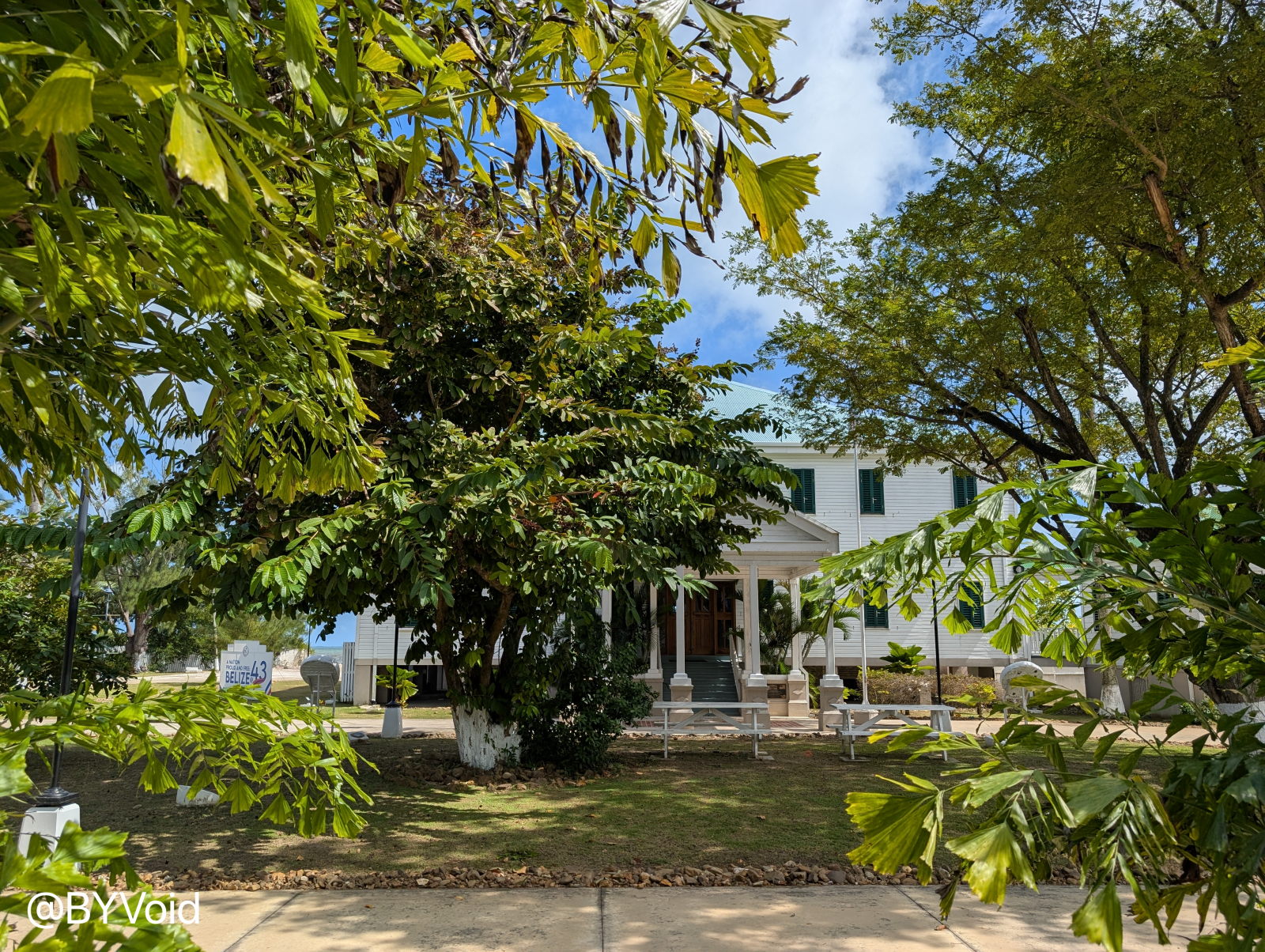
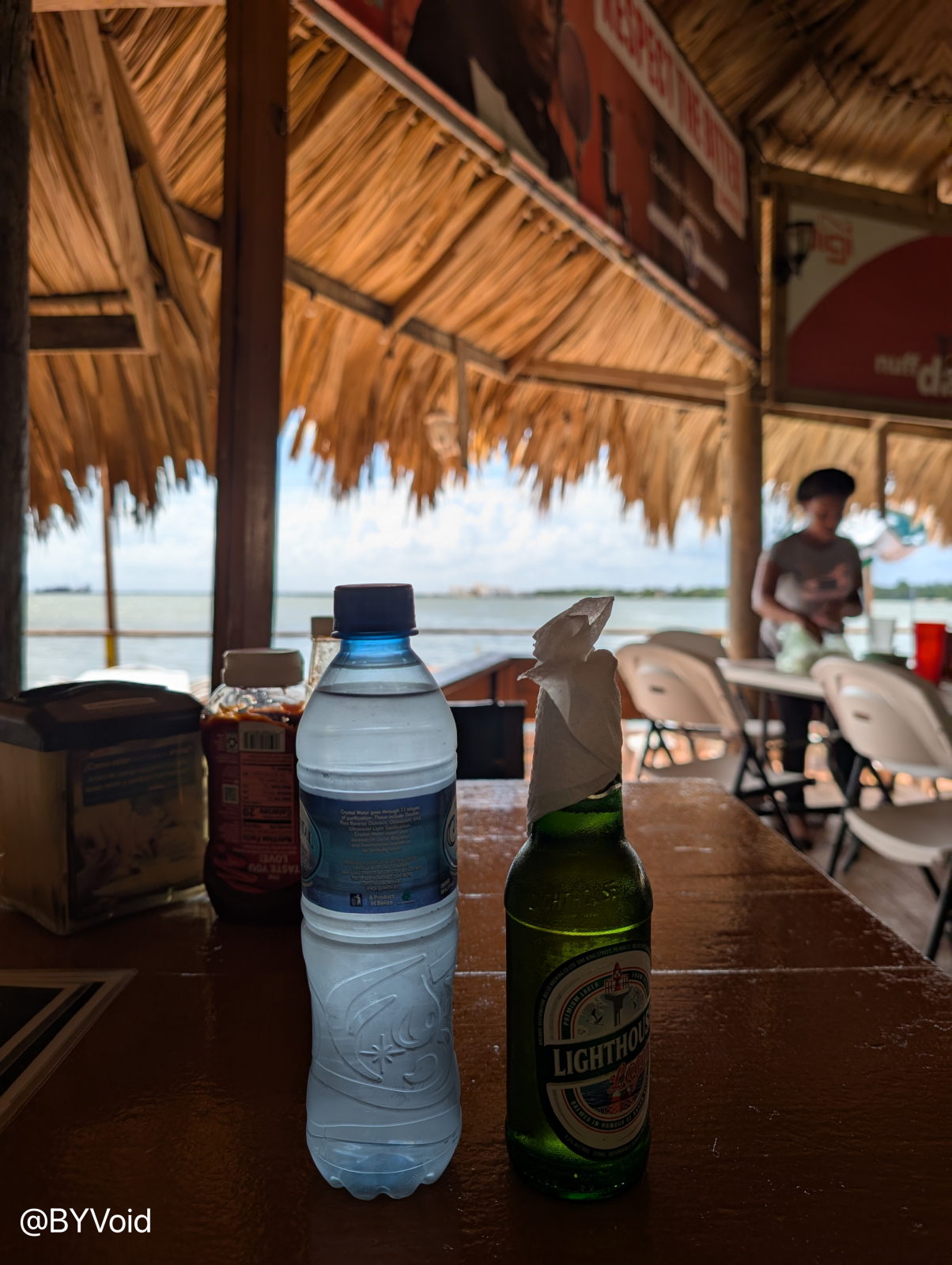
After leaving this ancient building, I continued south along the road and reached Bird Island at the southeastern tip of Belize City. The island has some recreational facilities like sports fields and educational posters about the importance of education. Due to the heat, I was constantly drenched in sweat. Although I hadn’t walked for long in Belize City, I felt very exhausted, so I found a bar on the island and ordered a beer. Like many other Caribbean islands, locals are very enthusiastic about alcohol. Bars are everywhere, and whether it’s beer or various spirits, prices are quite cheap. In such a hot environment, sitting by the sea facing the easterly breeze and slowly sipping a drink in a gazebo was truly pleasant. Without realizing it, I spent half the afternoon there.
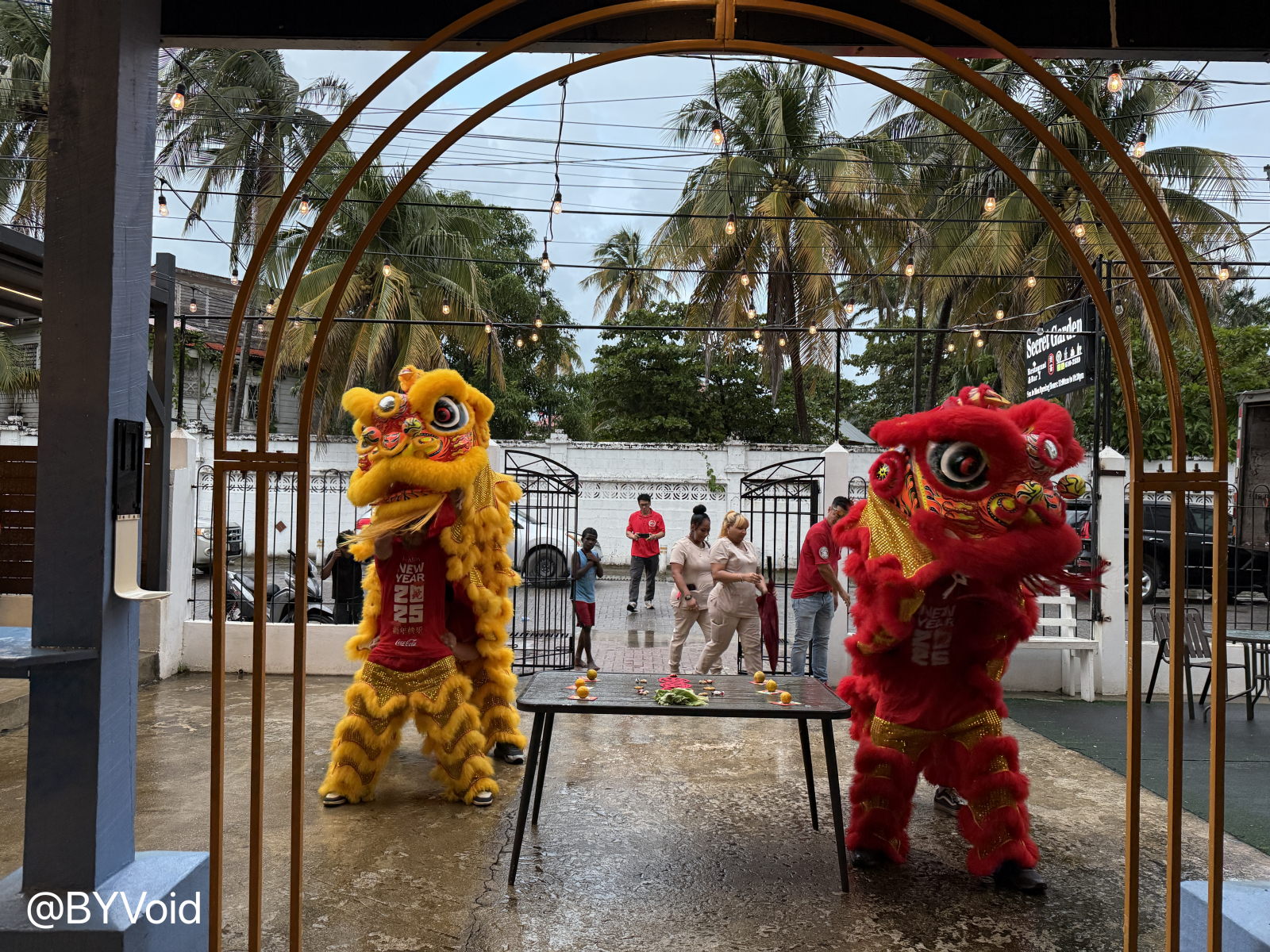
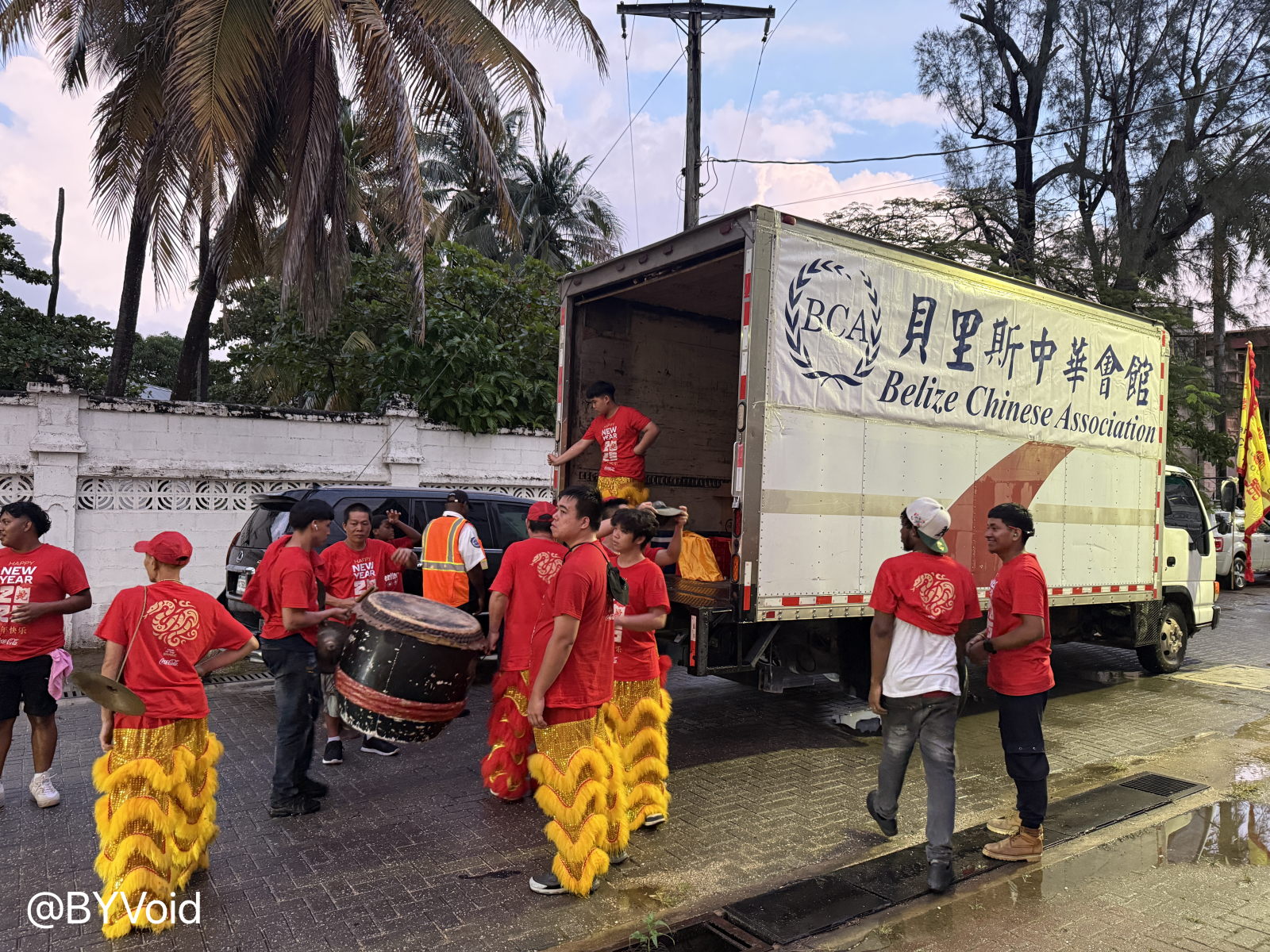
In the evening, I started walking back. While I was on my way, it suddenly started to rain, and the rain came down fiercely, almost becoming a rainstorm. I had to run to find shelter and saw a small restaurant, so I ran inside. From the outside, there was nothing special about this restaurant, but after entering, I found that the menu actually had Chinese, and the dishes were in the style of a Hong Kong tea restaurant. So I sat down, planning to have dinner there. Just as I was waiting for my food, the sound of gongs and drums suddenly came from outside. By then the rain had stopped, and many customers went outside to see the excitement. It turned out to be several people dressed in traditional Cantonese clothing coming to perform a lion dance. Only upon closer observation did I realize this was an activity organized by the local Chinese association to celebrate the Spring Festival. In Cantonese tradition, a lion dance is an essential part of the New Year. The whole lion dance was very lively, and firecrackers were set off after the performance, in a completely traditional New Year celebration style.
After a bit of conversation, I learned that the Belize Chinese Association (伯利茲中華會館) has a significant presence locally because Belize actually has a considerable number of Chinese immigrants. As early as the British Honduras era, early Cantonese people migrated here from Hong Kong as laborers for the British, and new immigrants continued to arrive through the late twentieth century. Since China’s Reform and Opening-up, many new immigrants have also come, still mostly from Guangdong. Additionally, the presence of the Republic of China embassy has also attracted some Taiwanese people to settle and work here.
It is worth mentioning that to limit the large number of Chinese immigrants, Belize even established a visa fee as high as $2,000 at the end of the 20th century specifically targeting holders of People’s Republic of China passports. Strictly speaking, this fee was an official deposit. Applicants needed to pay thousands of dollars as a bond, which theoretically could be refunded after legal departure; however, it is said that in practice, it was very difficult to get back. Therefore, Belize used to be known as having “the most expensive visa in the world.” Since 2017, Chinese people with US visas or legal residency status can enter Belize visa-free.
Diplomatic Tussle between Belize and Guatemala
Regarding Belizean diplomacy, there is also a lesser-known piece of history. Since its independence in 1981, Belize has had a territorial dispute with its neighbor Guatemala, and Guatemala even refused to recognize Belize’s status as a nation for a time. In 1984, the Republic of China ambassador to Guatemala, Lu I-cheng, met with Belize’s first Prime Minister, George Price, which met with strong resistance from Guatemala. Therefore, mainland China seized the opportunity to establish diplomatic relations with Belize first in 1987. However, things changed two years later. A wealthy Chinese businessman in Belize named William Quinto (伍永泉), using his personal relationship with the Father of the Nation, George Price, and financial support, successfully lobbied political circles, leading the Belizean Ministry of Foreign Affairs to shift to diplomatic relations with Taipei and sever ties with Beijing until today. William Quinto himself was sent to Taipei to serve as Belize’s ambassador, successfully maintaining this diplomatic relationship.
After the Cold War, Guatemala recognized Belize’s sovereignty, so it no longer objected to Taipei’s moves. However, Beijing did not let the matter rest. As punishment for Guatemala, China once exercised its veto power in the UN Security Council in 1997 to block the UN from sending peacekeeping forces to Guatemala.
Behind these diplomatic farces, the root cause was the work of the British Empire. The sovereignty and territorial dispute between Guatemala and Belize stems from the “Wyke-Aycinena Treaty” signed between Guatemala and Britain in 1859. Similar to various treaties signed by Britain using deception and coercion in those days (such as the “Treaty of Waitangi” signed with the Maori in New Zealand), this treaty was interpreted differently by both sides, and the text contained various ambiguities. Britain believed the treaty was a boundary-delimitation treaty and that Guatemala had agreed to the boundary as set. Guatemala believed it was “territory in exchange for transport,” claiming the treaty had a clause (Article 7) stating that both sides would work to build a road connecting Guatemala City to the Caribbean. The dispute lies in the fact that the treaty text says “easiest means of communication,” which actually meant a road, and Guatemala believed Britain should pay for it. But later Britain did not build the road as agreed, so Guatemala considers the treaty invalid due to Britain’s breach of contract. Currently, Guatemala and Belize are still litigating this matter in the International Court of Justice in The Hague (Case 177). The likely final result is that Belize will have its existing territory confirmed, while Guatemala will receive some form of compensation. As for whether the compensation can be realized and who will pay it (Britain or Belize), that is another matter.
In the next part, I will begin recounting my experiences in Honduras. Please stay tuned.
Last modified on 2026-02-04