Flying to Roatán Island
Roatán Island is Honduras’s largest island in the Caribbean and its primary international tourist destination. Located about 65 kilometers off the Caribbean coast of Honduras, the island sees many Caribbean cruise ships dock each year. As a result, a tourism industry has grown around these visitors. Due to Honduras’s poor reputation, many people consider it a very dangerous country, so very few tourists travel to mainland Honduras. I departed from Belize City International Airport and flew to Roatán. In fact, there aren’t many tourists arriving by plane either, which is evident from the airport’s simple facilities. However, it boasts a fairly rich number of routes with several international destinations. As an international flight, there was security before boarding, but it was still relatively relaxed compared to flying on large aircraft. The flight this time was similar to the Belize domestic routes I had taken before—a small plane with only a few seats. The flight passed over the large lagoons off the coast of Belize, offering views of the magical seascapes below. Before long, I arrived at Roatán.
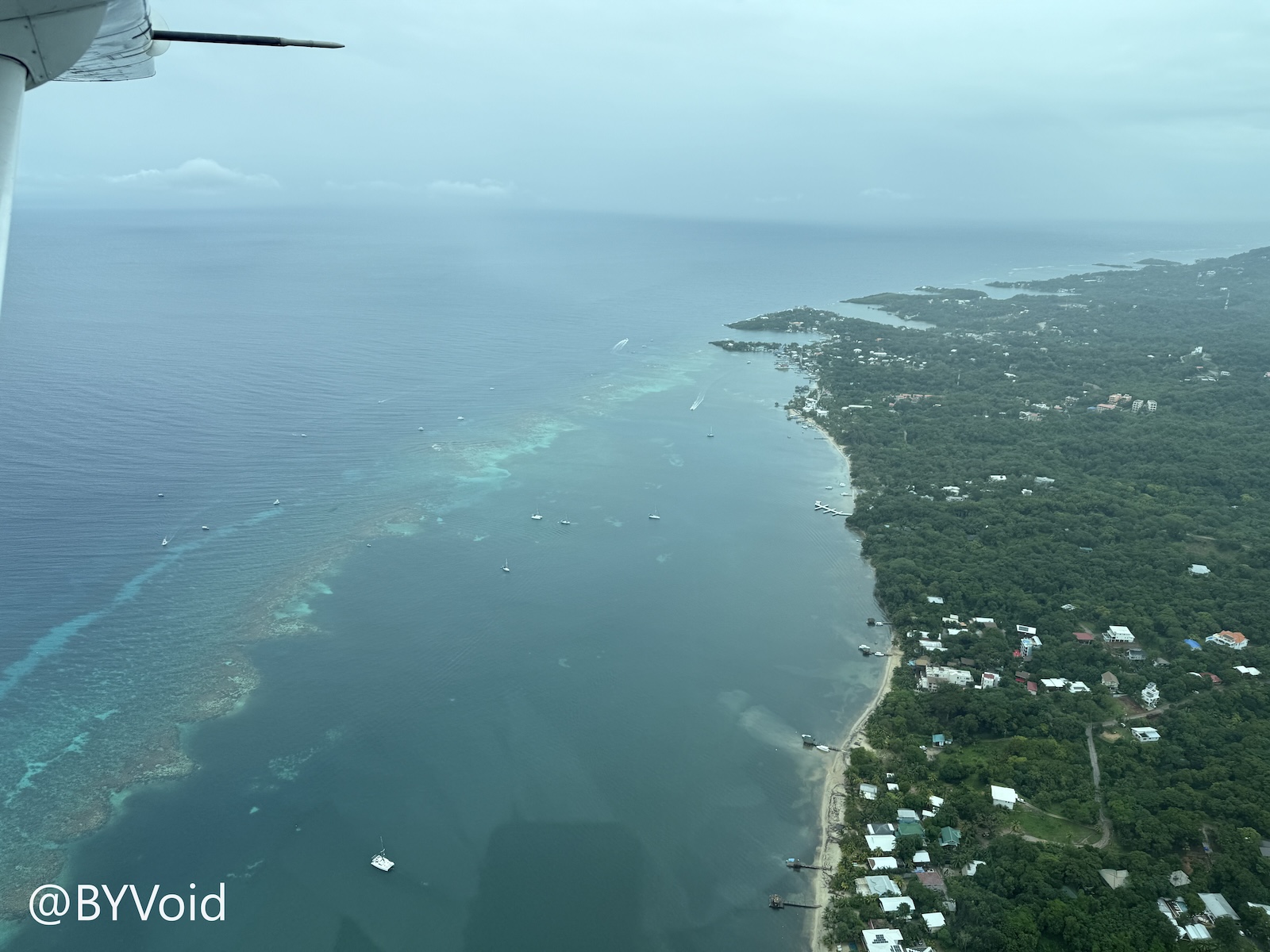
After the plane landed at Roatán Island Airport, it began to rain heavily. I ran into the terminal building with the other passengers through the rain. The immigration process in Honduras was more rigorous and orderly than I had expected; first, I filled out an entry form online—the airport even had free Wi-Fi—and then staff checked my documents and asked about the purpose of my trip and subsequent travel plans.
Western Villa Area
Since it wasn’t peak tourist season and I didn’t arrive on a luxury cruise ship, there were no organized day trips. Considering the inconvenience of transportation, I rented a car at the airport to tour Roatán on my own. Unfortunately, it rained and stormed the whole time, and with the bad weather, I didn’t see much beautiful scenery. Nevertheless, Roatán gave me an initial taste of Honduras, setting the stage for the rest of my trip.

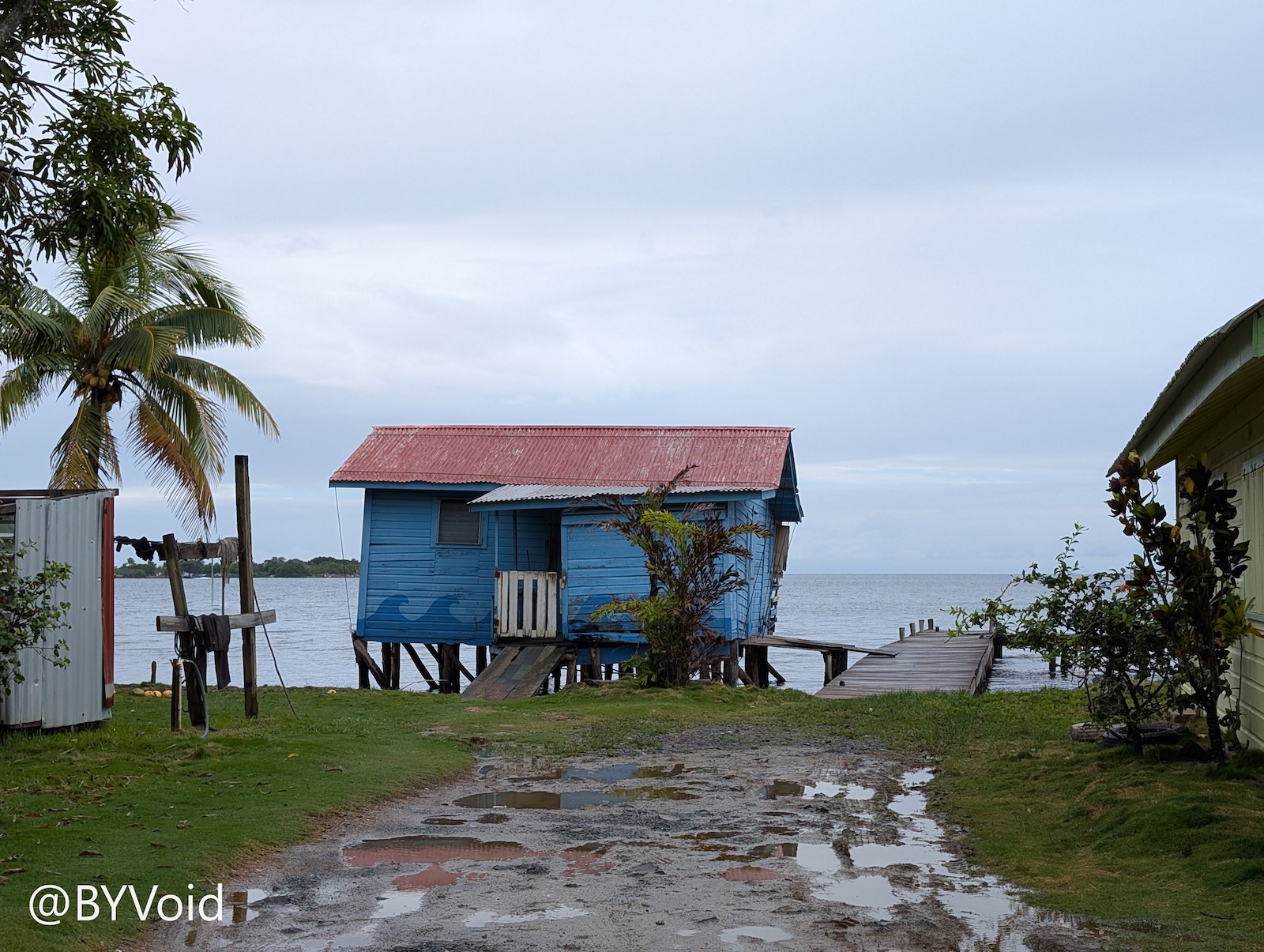
Roatán is long and narrow, stretching dozens of kilometers from east to west. I planned to go west to the end of the island first, then turn back east, covering as much of the island as possible in one day. I thought Roatán wasn’t big, but the island is densely populated. It took more than an hour of driving before I reached the western tip. The road conditions along the way were decent, and I passed many villages with clearly insufficient infrastructure and many dilapidated houses. It is said that local residents’ incomes are slightly higher than those on mainland Honduras, but overall, they are still among the lower levels in Central America.
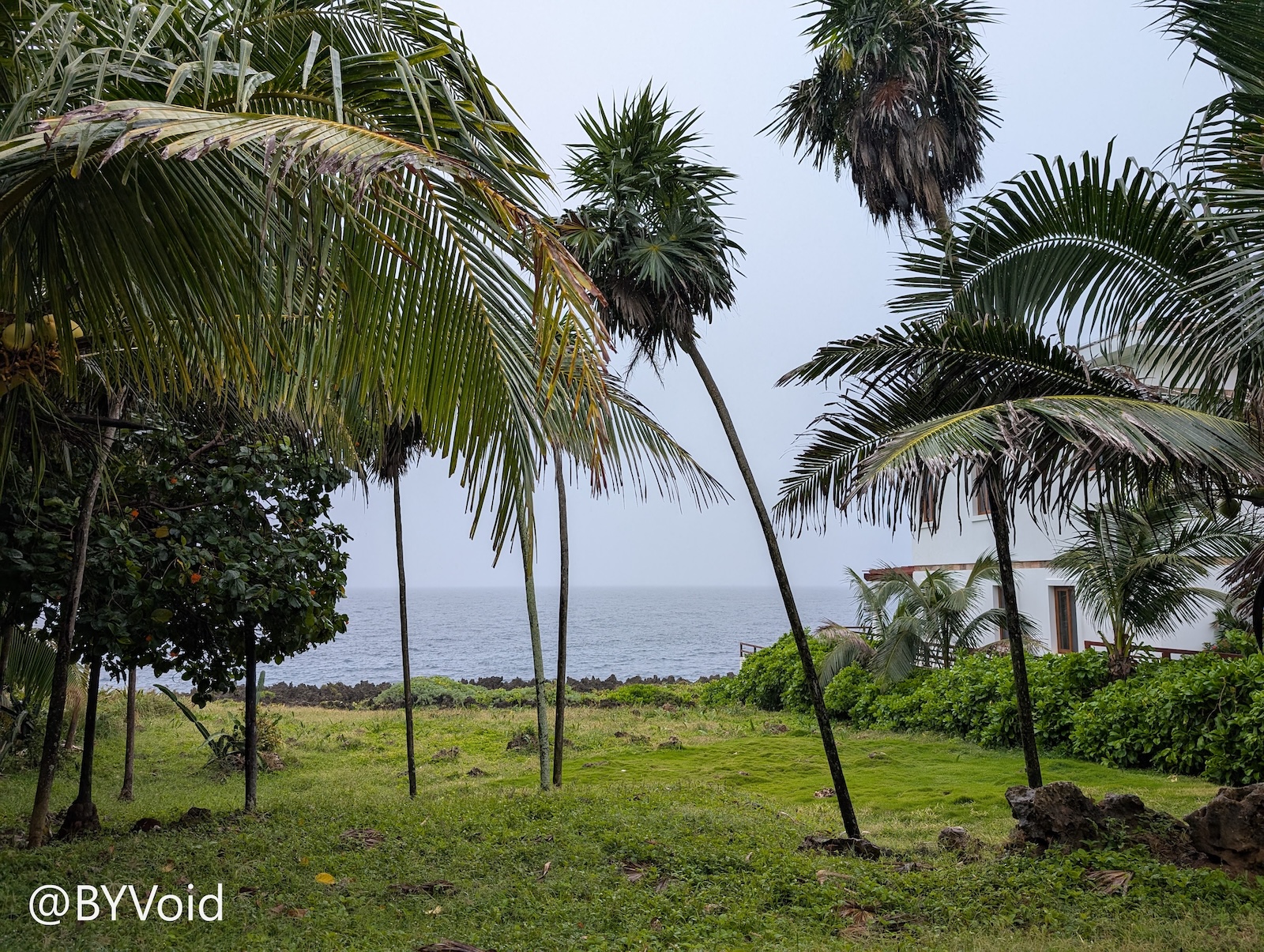
However, when I reached the western tip, the scene was entirely different: all the land with ocean views was separated by walls, forming individual villas. These villas were clearly not built for local residents but were vacation homes targeting foreign investors, especially North American tourists. That’s right—even in Honduras, tourism real estate is used to attract foreign investment.
Charter Cities
Speaking of foreign investment, I must mention a very interesting place in the central-eastern part of Roatán called Próspera. This place is an experimental community established by the Próspera company under the legal framework of Honduras’s ZEDE (Zones for Employment and Economic Development), closely related to the “Charter Cities” movement. I heard about the concept of charter cities a long time ago. Years ago, when I was in Switzerland, I came across a self-proclaimed micro-nation called Liberland. Similar to it, the charter city movement gathers a group of libertarians from around the world. They discuss how to establish medieval-like free cities (similar to the Hanseatic League and Italian city-states) in the modern world. The goal is to restore the essence of cities: gaining autonomous status, breaking away from the control of central power, and having the merchant class establish an order centered on commerce.
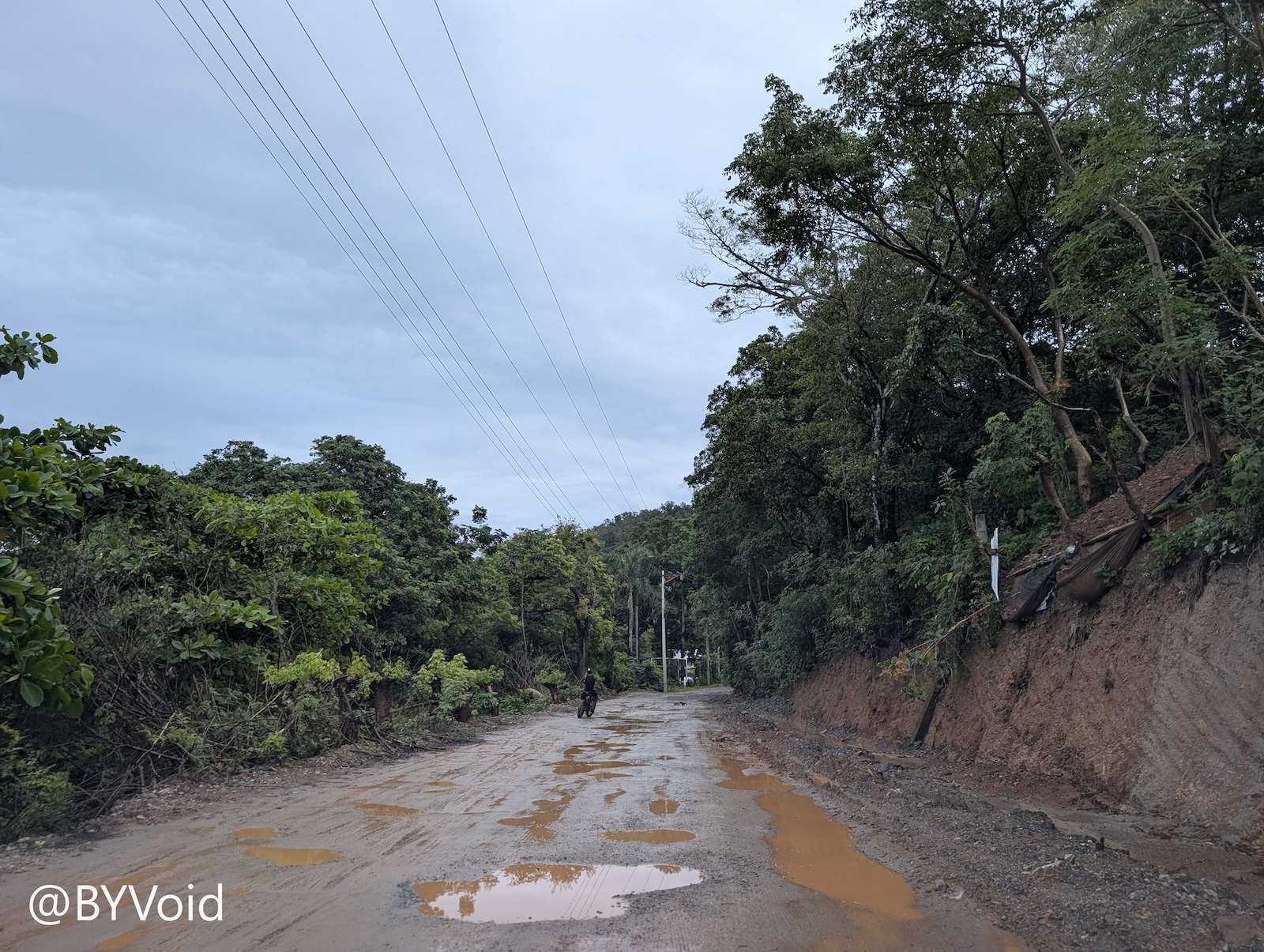
Since its inception, this organization has been lobbying around the world and looking for soil where it can practice its ideas. Its most famous experimental community is Próspera on Roatán. Originally, I planned to drive to Próspera, but the weather was terrible that day, the roads were incredibly muddy, and the village roads along the way were almost impassable. To avoid getting the car stuck in the mud and unable to move, I had to abandon my plan to visit Próspera, which was a bit of a pity. Próspera doesn’t seem to have achieved success yet, as even the most basic roads have not been fully constructed. Currently, it probably remains in a utopian experimental phase. I sincerely hope it can find a suitable industry and realize its vision of autonomy, rather than becoming like the “compounds” in Myanmar.
The East
The eastern part of Roatán also has some resort towns. Local prices are generally cheap, though not necessarily low for the local residents. However, Roatán has long been considered one of the cheapest tourist destinations in the Caribbean. Driving through villages along the way, I found the infrastructure to be extremely poor: muddy roads, dilapidated houses, a lack of basic water and sewage facilities, and trash everywhere.
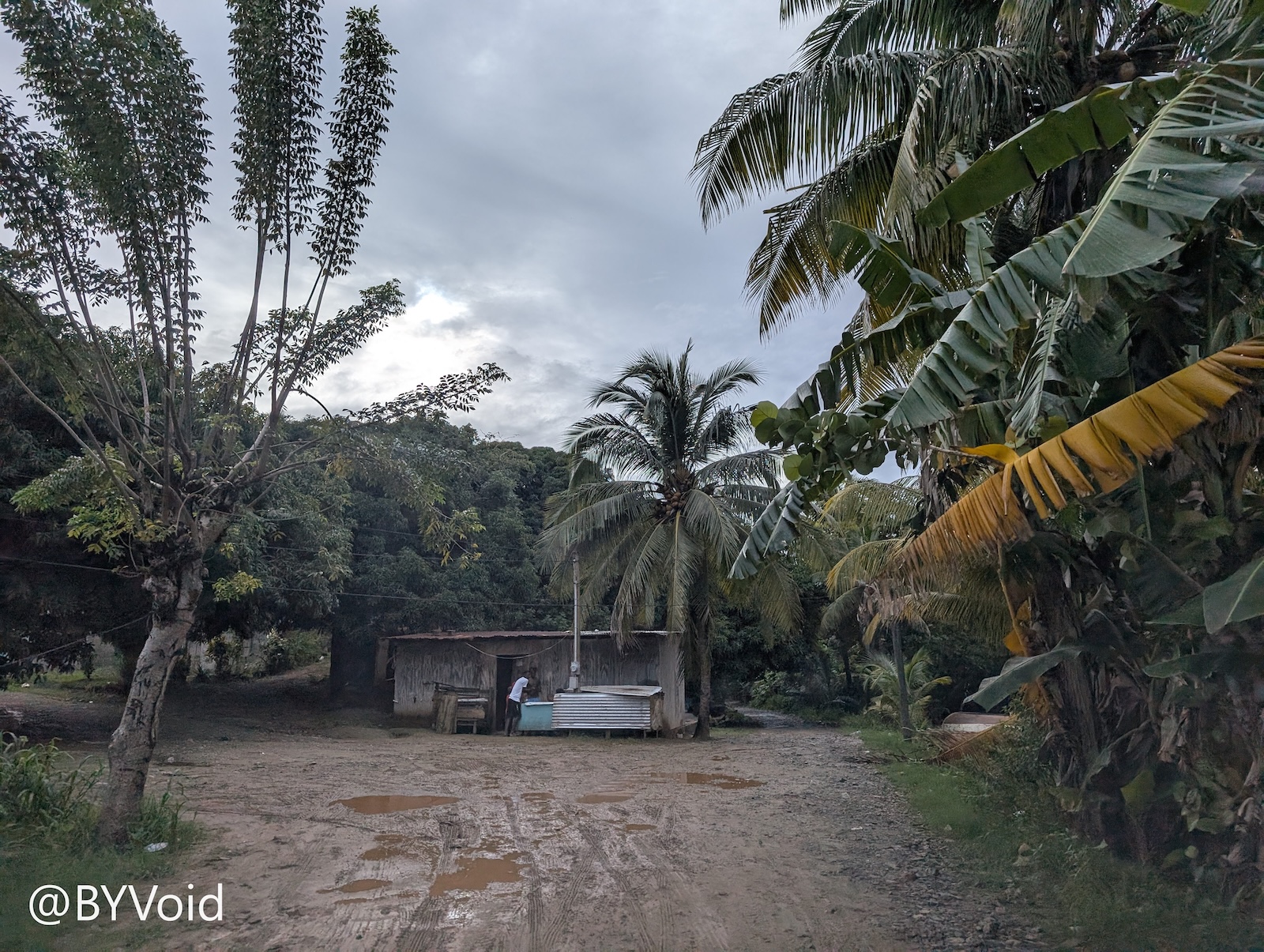
I intended to drive to the eastern tip, but the road was too muddy. While attempting to climb a hill, the wheels slipped. For safety reasons, I eventually gave up the plan to reach the far east and turned back.
The Long Night
In the evening, I returned to the vicinity of the airport. This might not be considered a tourist area, as there were almost no dining or lodging facilities. I found a fried chicken fast-food place near a shopping center, which was perhaps the best option around. Ultimately, I stayed at a small inn near the airport. It was very cheap, but upon arrival, I found the inn to be quite dilapidated. It had a large iron gate with no signs; you couldn’t find it without knocking. Dusk had fallen, and after I knocked, a man carrying a rifle opened the door. The gun was decorated with hand-painted patterns and graffiti, and he was carrying a large amount of ammunition. At first, I was startled, but he was actually just a regular security guard. This scene was a preview of what mainland Honduras would be like in the following days, where armed security guards are very common. This man didn’t speak English, so I had to explain in simple Spanish that I had a reservation. He then called another man who spoke some English, seemingly the owner, who checked me in after a simple registration.
The room was very basic, and hygiene was almost non-existent. Worse still, there were many mosquitoes in the room. Even though I asked the owner for a mosquito coil, it didn’t help much. I slept very poorly that night, and the entire night felt exceptionally long. When I woke up in the morning, I had many mosquito bites on my body. Getting bitten by mosquitoes in Central America carries safety risks because I couldn’t know if the local mosquitoes carried dangerous pathogens, especially Dengue fever. Fortunately, no problems occurred later, and this served as a personal experience of the dangerous side of Honduras.

Last modified on 2026-03-11